
In an era where climate change and unpredictable weather patterns pose significant risks to agriculture, crop insurance has emerged as a critical tool for farmers. This financial safety net helps protect against losses caused by natural disasters, pests, and disease, ensuring that producers can maintain their livelihoods. In this article, we will explore what crop insurance is, its different types, and why it is essential for the farming community.
What is Crop Insurance?
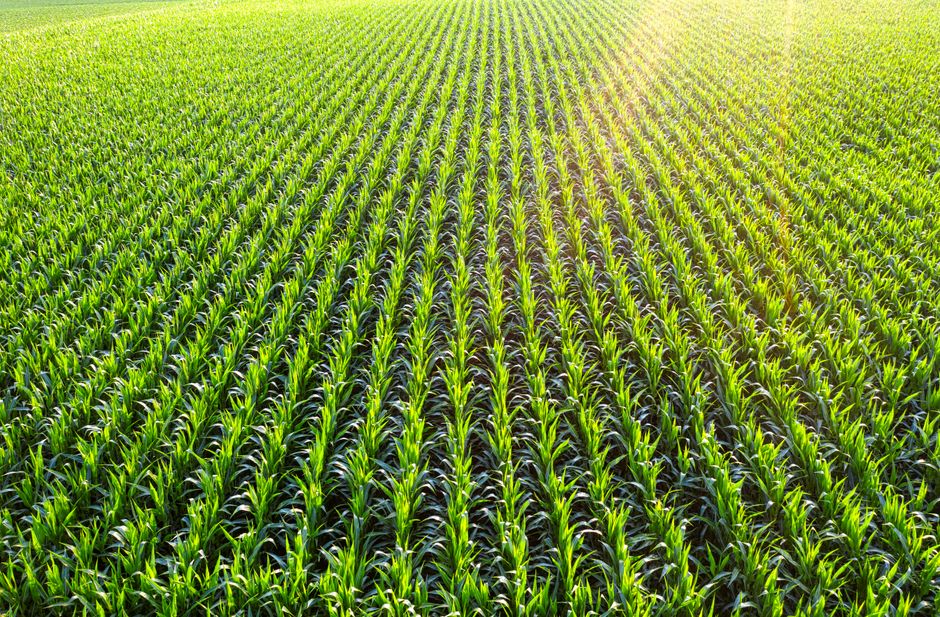
Crop insurance is a policy that provides financial compensation to farmers when they experience a loss in crop yield due to adverse weather conditions, such as drought, floods, or hail. It is designed to mitigate the risks associated with farming, which can be unpredictable and often devastating. The concept of crop insurance has been around for decades, but its importance has grown significantly as climate-related challenges have intensified.
Farmers can choose between various types of crop insurance policies, each catering to different needs and circumstances. The two main types are Actual Production History (APH) insurance and Revenue Protection (RP) insurance. APH insurance compensates farmers based on their historical yield, while RP insurance takes into account both yield loss and revenue loss, providing a more comprehensive safety net.
The Role of Crop Insurance in Risk Management
For farmers, managing risks is crucial for sustainability and profitability. Crop insurance plays a vital role in this risk management strategy. By purchasing a policy, farmers can safeguard their income against unforeseen events, allowing them to plan for the future with greater confidence.
Statistics indicate that farmers who invest in crop insurance are more likely to recover from losses and continue their operations. According to the U.S. Department of Agriculture (USDA), over 1 million farmers enrolled in crop insurance programs in 2020, illustrating its importance in the agricultural sector. This financial protection not only benefits individual farmers but also stabilizes the overall economy by ensuring a steady food supply.
Challenges in Accessing Crop Insurance
Despite its benefits, many farmers face challenges when it comes to accessing crop insurance. One significant barrier is the cost associated with premiums, which can be a burden for small-scale farmers. Additionally, understanding the intricacies of different policies can be overwhelming, leading some producers to forgo coverage entirely.
Furthermore, there are geographical disparities in the availability of crop insurance. In certain regions, particularly those prone to natural disasters, insurance options may be limited or unaffordable. Addressing these challenges is crucial for increasing participation in crop insurance programs and ensuring that all farmers have access to this essential risk management tool.
The Future of Crop Insurance
The future of crop insurance looks promising, with advancements in technology paving the way for more tailored and accessible solutions. Innovations such as satellite imagery and predictive analytics are enabling insurers to assess risks more accurately and offer personalized policies to farmers.
Moreover, as climate change continues to impact agricultural productivity, the demand for crop insurance is expected to rise. Farmers will increasingly rely on these policies to protect their investments and ensure food security in a changing world. Thus, both the public and private sectors must work collaboratively to enhance crop insurance programs, making them more affordable and accessible for all.
Conclusion
In conclusion, crop insurance is a vital component of modern agriculture, providing essential financial protection for farmers facing an array of risks. By understanding the different types of crop insurance and the role it plays in risk management, farmers can make informed decisions that safeguard their livelihoods. As the agricultural landscape evolves, it is critical to address the challenges associated with crop insurance, ensuring that all farmers have access to the tools they need to thrive.
For more detailed information on crop insurance policies and their benefits, farmers can refer to resources available through various agricultural departments and organizations. One such source is the crop insurance program, which provides comprehensive insights into coverage options and eligibility requirements.
